

Our experience installing the Wallbox Powermeter

Tyler Sieben • September 22, 2025

Share this article

Wallbox Power Meter - Installation Review

The Wallbox Power Meter, is actually a pre-set Carlo Gavazzi meter with CT clamps included. It's designed to be used with the Wallbox Pulsar Plus 40A & Wallbox Pulsar Plus 48A product lines in North America. This product is required to enable dynamic load balancing and energy management features for Wallbox chargers.

This review is based on our experience installing the Power Meter product. It's not necessarily a review about the Power Meter, but commentary on the installation procedure. When we started looking at the resources to guide our installation we were surprised by the lack of videos available. The instructions provided by Wallbox are acceptable, but don't necessarily get into the specifics of Wallbox mounting, enclosures, and wiring procedures.

Getting Started

At Evalence we typically recommend the Wallbox Pulsar Plus line for its reliability, functional design, and competitive price point. The 40A plug in, and the 48A hardwired units look great, and are simple to install in residential homes. The issue with installing these chargers (Any type of EV charger really) is managing the existing panel capacity. Achieving full-charging rates for customers with 100A panels is difficult while ensuring the installation is safe and passes permitting.


Our team utilizes energy management systems (EVEMS) often to allow for fast charging speeds, while passing inspection. These systems are often referred to as "load-shedding" devices which measure the total electricity demanded by home, and will switch off the circuit to stay below the panel capacity. Most energy management systems are two-state (on-off). When the system detects too much electricity being drawn, it will completely shut down the charger circuit. This is fine, but what if you wanted to dynamically adjust the charger to accept the available power?


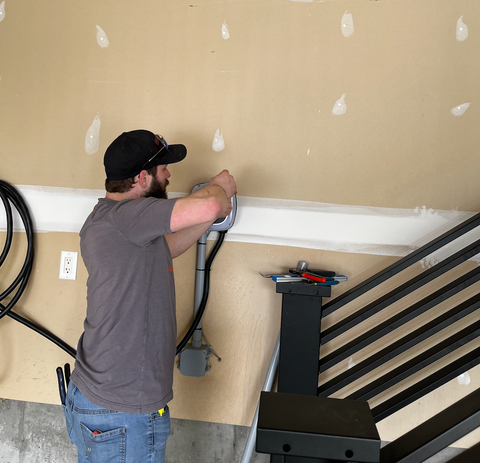
The Power Meter stands out because it integrates with the wallbox EV charger to dynamically respond to electricity availability. It also comes in at a compelling price point - $599, compared to other EVEMS solutions which can range from $900-$1,200. Do consider, additional accessories are required to complete the Power Meter Installation. Housing, DIN rail, 15A DP Breaker, and low voltage wire will be required. It will also take additional time and effort by your electrician to complete which could add cost to your installation.

Man in cap works on electrical wiring on a beige wall in a garage.

What We actually Needed to Complete Job

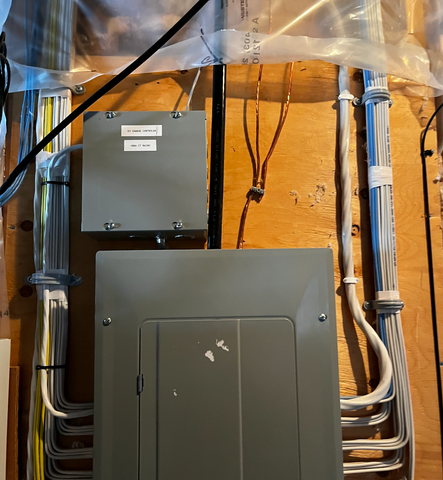
With the Carlo Gavazzi Power Meter, an enclosure is recommended. The instructions suggest that it can be placed inside of the panel box, but a separate enclosure is a higher quality and code-compliant way to complete the installation. We decided to go with a fully enclosed option, and labeled it "EV Charger Enclosure". Once the installation is complete the customer has no need to interact directly with the power meter, and it's better off in a position where the settings cannot be easily changed.


A 15A double pole breaker was also required to complete the installation. Initially we did not expect this to be a requirement, but realized the there was a diagram in the instructions which showed this. Lastly, low voltage cable is required to connect the power meter and the wallbox unit. This was simple, and the instructions were clear on how to connect the power meter and the wallbox appropriately.

Electrical panel and junction box on wooden wall with bundled wires.

Enabling the App

Enabling the app is a simple part of the process. As typical, ensure the wallbox app and the charger firmware are updated to the latest version. Going through settings, continue towards upgrades - power boost. Enable and set the maximum current limitation as appropriate for the size of the panel. You're done!

Installation Thoughts

Pros
  • Integration with the wallbox product line is a major selling feature for this product. This is a feature which sets the wallbox apart from it's competitors. It's nice that it can be controlled and enabled in the wallbox application.
  • The EVEMS is $400 + ~$100 (enclosure, 15A DP breaker, low voltage wire). This is $500 cheaper than comparable alternatives for energy management systems.
  • The dynamic adjustment of power to the electric vehicle charger is an under-rated selling feature. While most EVEM's are all or nothing, a smart controller which utilizes the available power on the panel is attractive.

Cons
  • Requires a significant amount of additional supplies to complete the installation. Not the end of the world, but a little more to installing this device than first meets the eye.
  • Lack of safety features on the application for customers which may get curious about the power meter settings. The circuit max amperage settings can be adjusted by the customer, which presents a potential safety risk. We would prefer to see this setting in some type of hidden setup menu.


Overall

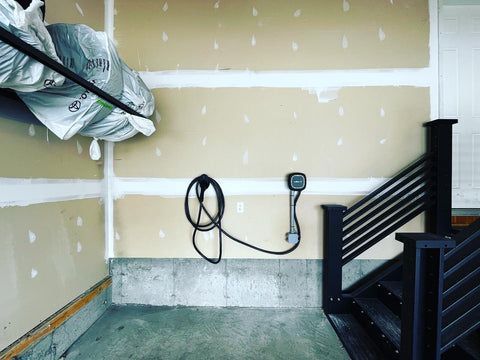
Electric vehicle charger mounted on a garage wall, near a set of stairs.

Our team would definitely recommend this product for home owners with panel loading constraints. It's a cost effective solution which integrates well with the wallbox product line. The additional materials and labour required to complete the installation are worth having the lower price point and dynamic load balancing tools. We will update this blog post with feedback as we receive it from our customers!

Recent Posts

Snowy residential street with police vehicles in front of a house.
By Tyler Sieben March 30, 2026
Introduction
By Tyler Sieben March 17, 2026
In an era of increasingly frequent grid instability and severe weather, a home backup power system has shifted from a luxury to a necessity. If you are researching a whole-house standby generator, two names likely dominate your search: Kohler and Generac. Both brands offer robust natural gas generator solutions that integrate directly with your home's fuel line, providing seamless, automatic protection during a power outage. But when you are investing thousands of dollars into your home’s infrastructure, "good enough" isn't the standard. While Generac has long held the title of the most popular consumer brand with its widely recognized Guardian Series, many savvy homeowners and professional electricians are increasingly turning toward Kohler. Known for its industrial-grade heritage and superior engineering, Kohler is often viewed as the "professional's choice"—the generator you buy when you want to ensure your critical electronics and HVAC systems never skip a beat. In this comprehensive comparison, we will break down the latest 2026 models—including the Generac 26kW Guardian and the Kohler 26RCA—to evaluate their performance, reliability, and maintenance requirements. While both companies will keep your lights on, we’ll take a closer look at why Kohler’s commercial-grade internals might just make it the superior long-term investment for your home. At Evalence Renewables , we specialize in providing reliable and code compliant generator installation across Alberta. With extensive experience in residential, commercial, and municipal generator installations, our team offers the technical expertise and local knowledge needed to keep systems functioning efficiently and safely.
By Moha Tuano December 29, 2025
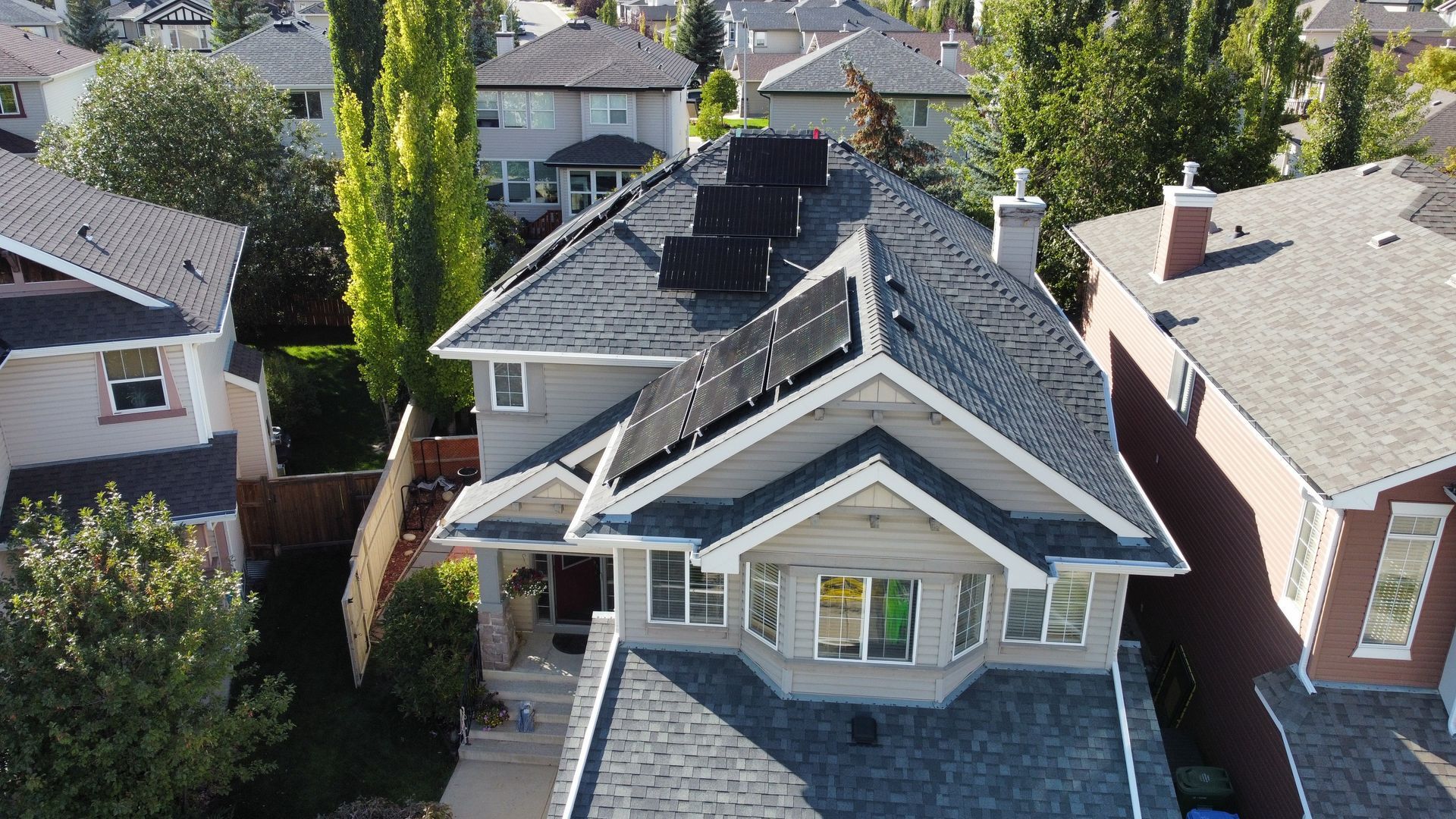
Switching to solar is one of the best investments Alberta homeowners can make — for their homes, their budgets, and the planet. But once you’ve signed your contract, you might wonder — what happens next? At Evalence Renewables, we believe your solar journey should be simple, transparent, and stress-free. Our professional team manages every step — from design to activation — so you can focus on what matters most: enjoying your home and the energy savings that come with it. Here’s a detailed look at what to expect during your solar installation process: