How EV Charging Works in Cold Weather: Practical Tips for Alberta Drivers
Alberta winters are tough — and anyone who’s lived through them knows how quickly mild temperatures can turn into deep freeze. For electric vehicle (EV) drivers, winter often brings new questions and a few adjustments. You might notice your driving range shrinking, charging sessions taking longer, or your vehicle using more energy just to stay warm. If this is your first winter with an EV, those changes can feel unexpected.
At Evalence, we install EV chargers for homes and businesses across Alberta, from city centres to smaller rural communities. Every winter, we hear the same question from EV owners:
“Will my EV still charge properly when it’s cold?”
The short answer is yes. EVs are built to operate in cold climates like ours. That said, batteries respond differently to low temperatures and understanding what’s happening — and how to charge smarter — can make winter driving far more predictable.
With the right charging setup, especially a reliable Level 2 charger, and a few simple habits, Alberta’s cold weather doesn’t have to stand in the way of EV ownership — even when temperatures dip well below –30°C.

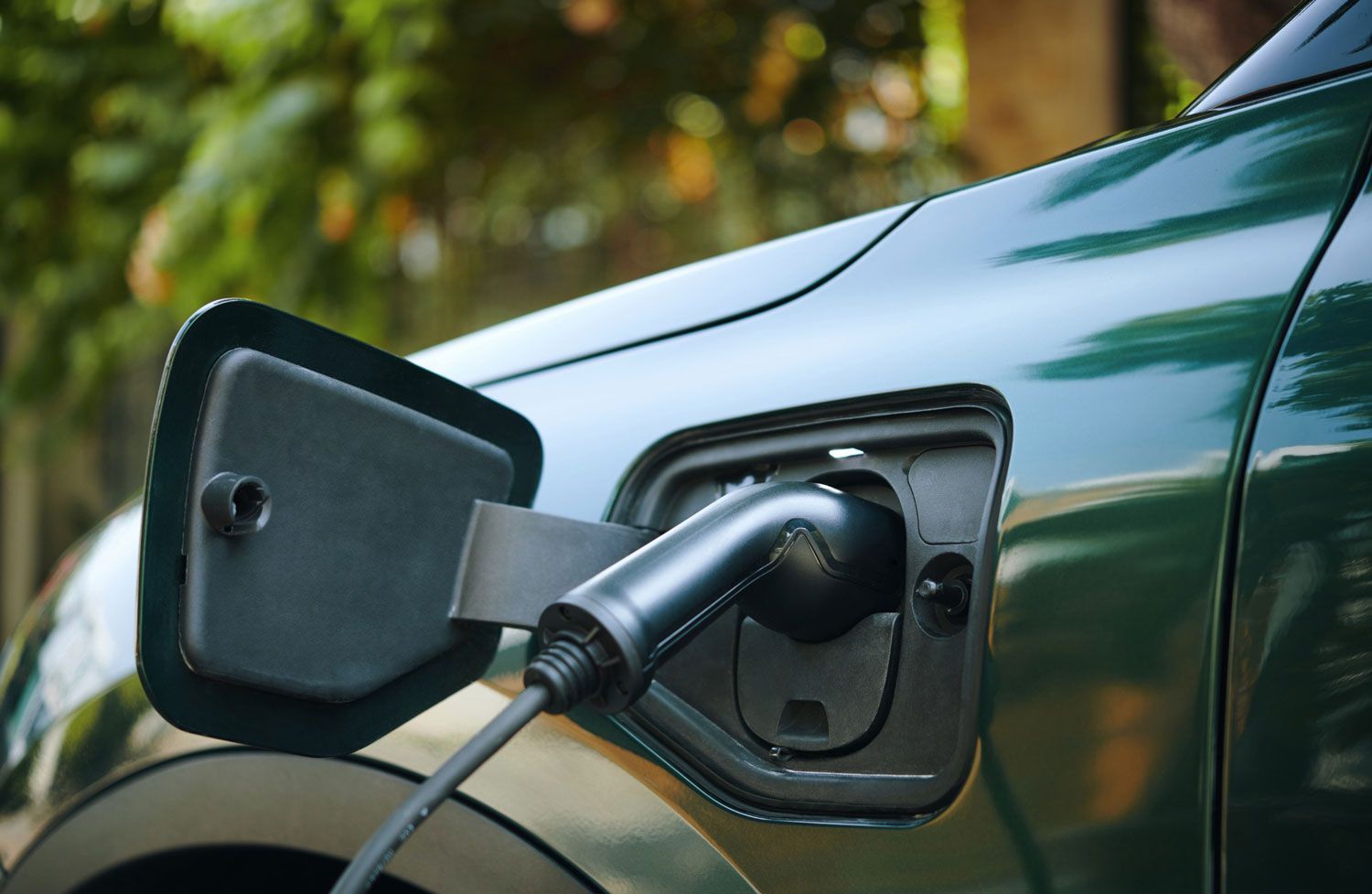
Black electric vehicle charging outside.
Why EV Batteries Behave Differently in Winter
Electric vehicles rely on lithium-ion batteries, which prefer moderate temperatures. When it gets cold, the chemical reactions inside the battery slow down. To prevent stress or damage, the vehicle automatically reduces how quickly energy moves in and out of the battery.
At the same time, your EV uses extra energy to warm the battery to a safe operating range. This happens whether the vehicle is charging, driving, or parked.
Because of this, winter conditions often lead to:
- Shorter driving range, especially on quick trips
- Slower charging, particularly if the battery is very cold
- Increased energy use from heating both the battery and the cabin
These effects are normal. They’re part of the vehicle’s built-in protection system — not a sign that something is wrong.
Why Home Charging Matters Even More in Winter
For Alberta EV drivers, home charging becomes especially important during winter, and a Level 2 charger makes a noticeable difference.
With a properly installed Level 2 charger at home:
- The battery stays warmer overnight
- Lost range is restored much faster
- Cabin and battery preconditioning works as intended
- Morning charging becomes consistent and stress-free
Level 2 chargers provide enough power to charge the vehicle while also helping maintain battery temperature — something a standard wall outlet often can’t do in extreme cold.
By comparison, Level 1 charging (using a regular 120V outlet) may struggle below –20°C. In some cases, it only supplies enough power to keep the battery warm, with little to no actual charging happening.

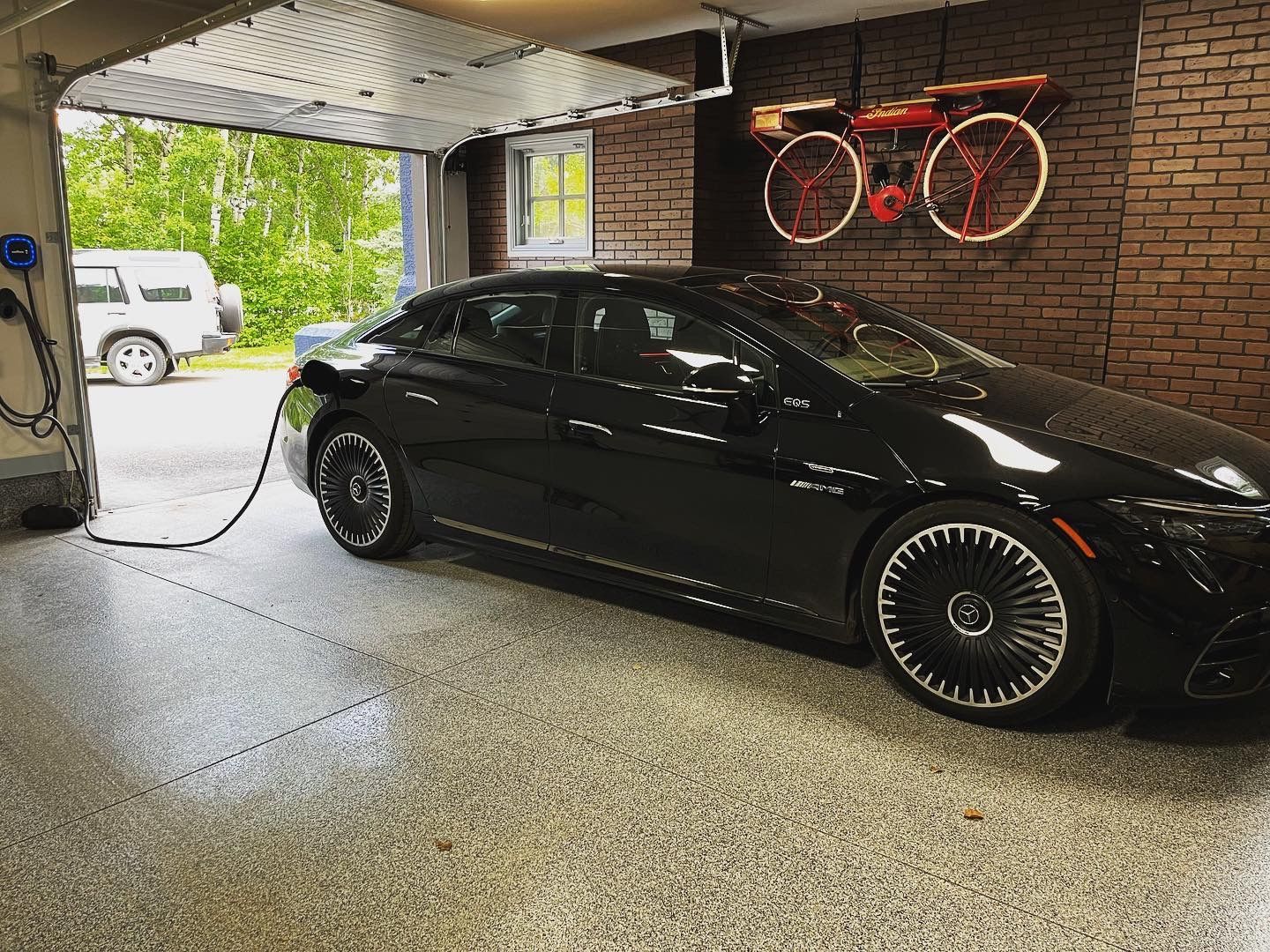
Residential EV Charger Installed. Alberta, Canada.
What to Expect From Public Charging in Freezing Weather
Public fast charging also behaves differently in winter. If your EV arrives with a cold battery, the vehicle will limit charging speed — even when the charger itself can deliver more power.
In cold conditions, you may notice:
- Charging starts slowly and ramps up gradually
- Peak charging speeds are reduced
- Overall charging sessions take longer
Many newer EVs help with this by automatically preheating the battery when you navigate to a fast charger. This feature can significantly improve charging speed and is especially useful during Alberta’s colder months.
Whenever possible, warming the battery before arriving at a fast charger helps you get the most efficient charge.

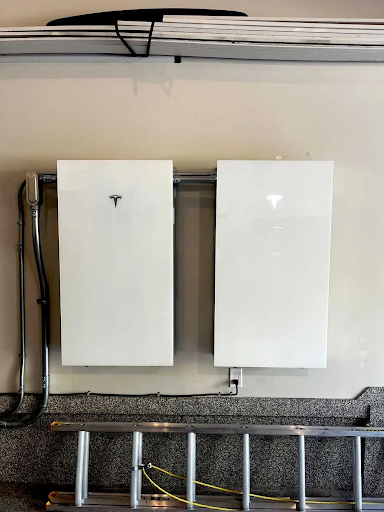
Tesla Powerwall Batteries Installed in Alberta, Canada.
Simple Ways to Improve Winter EV Performance
Small changes to daily habits can make a big difference in winter. Here are Evalence’s practical tips for cold-weather EV driving:
- Plug in whenever possible — even short charging sessions help retain battery warmth
- Preheat the cabin while the vehicle is plugged in, not after you start driving
- Aim to keep the battery between 20% and 80% during extreme cold
- Use seat and steering wheel heaters instead of relying only on cabin heat
- Drive smoothly and avoid aggressive acceleration, which drains energy faster
These habits help preserve range, reduce strain on the battery, and improve charging efficiency throughout winter.
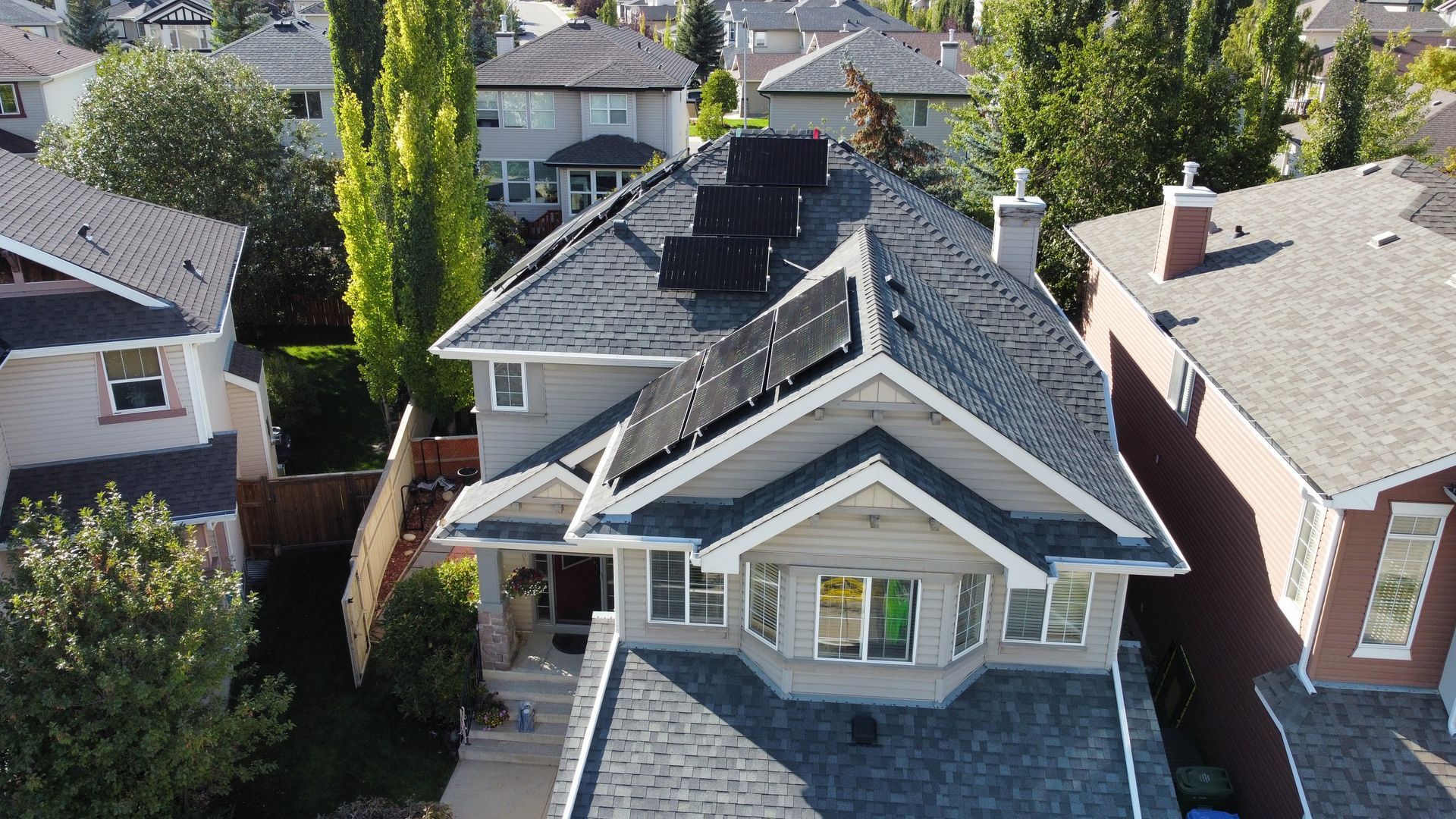
How Solar Supports Winter EV Charging
Solar production naturally drops during winter, but it still plays a role in EV charging over the year. In Alberta, most solar systems generate surplus electricity in spring and summer, which becomes bill credits through net metering.
Those credits can later offset winter electricity use — including EV charging at home.
Solar and EV charging work best when viewed on an annual basis, not day to day. Even with reduced winter production, many homeowners continue to see strong yearly savings thanks to summer overgeneration.
Final Thoughts
Electric vehicles remain dependable, efficient, and practical in Alberta’s cold climate. Winter simply calls for a slightly different approach. With the right charging setup and a few smart habits, EV ownership stays reliable and predictable all year long.
If you’re thinking about installing a Level 2 home charger, Evalence can help you select the right equipment and installation strategy to ensure dependable charging — even during Alberta’s coldest winters.
Recent Posts