
Why Net Metering Matters: A Simple Guide for Alberta Homeowners

Moha Tuano • December 29, 2025

Share this article

At Evalence, we speak with Alberta homeowners every day who are interested in solar energy but still unsure how the financial side really works. Many people understand that solar panels generate electricity, but they’re less clear on how that energy translates into real savings on their power bill.


The reality is this: one of the biggest reasons solar is so effective in Alberta is net metering, also known as the micro-generation credit system. It’s the behind-the-scenes framework that allows homeowners to turn excess solar production into meaningful, long-term savings.


If you’ve ever wondered how unused solar energy gets credited, why summer production still helps in winter, or how solar keeps electricity costs more predictable, this guide walks you through it — simply and clearly.

What Net Metering Really Means

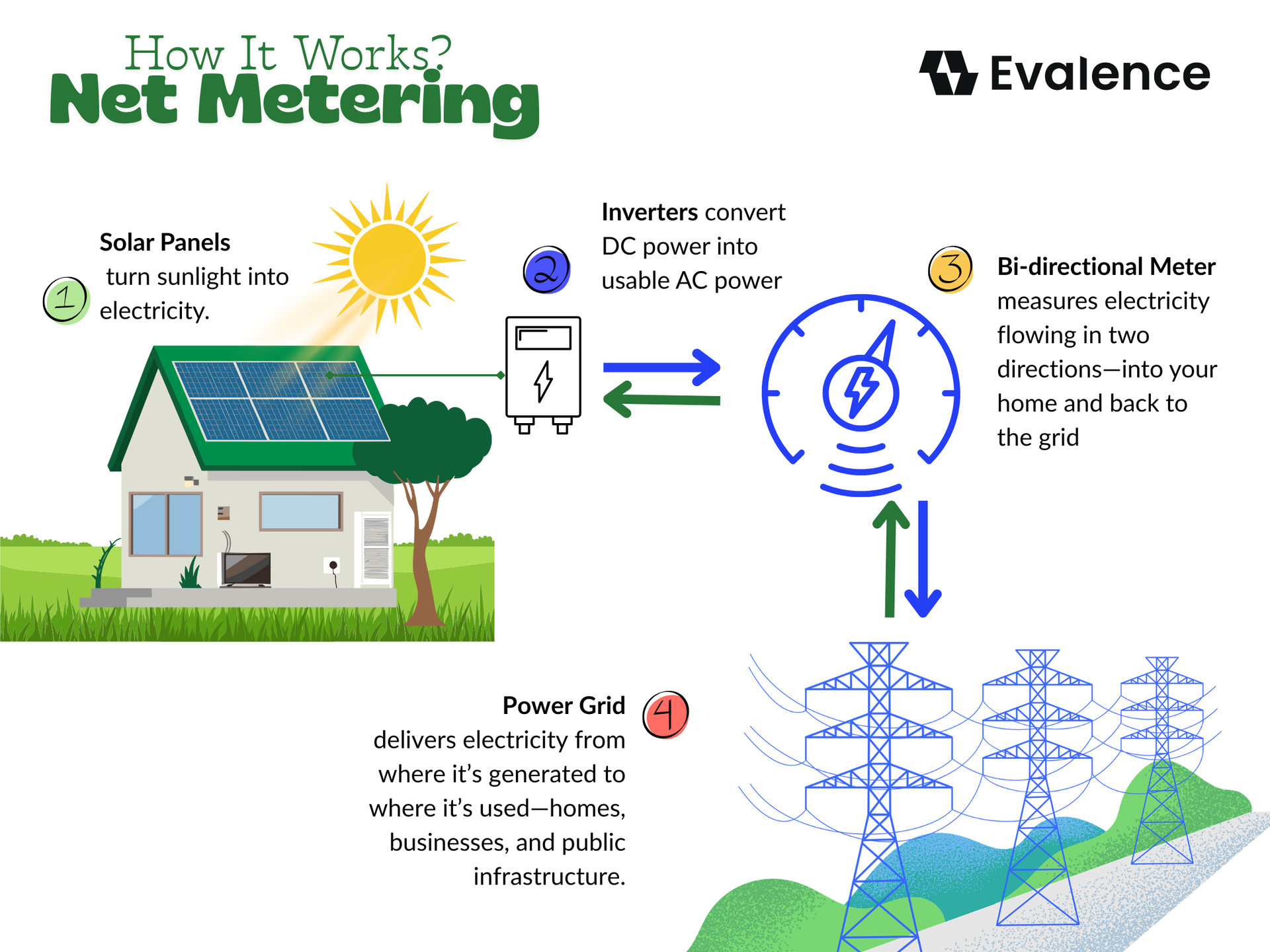
Net metering is the system that allows your home to share excess solar energy with the electrical grid. When your solar panels produce more power than your household is using, that extra electricity doesn’t go to waste. Instead, it flows into the grid, and your electricity retailer applies credits to your account.


In everyday terms, here’s how it works:

  • On bright, sunny days — which Alberta has plenty of — your solar panels often generate more electricity than your home needs in that moment. Rather than storing or losing that energy, it’s sent back to the grid and recorded as a credit through your bidirectional meter.
  • Later, when solar production drops — during evenings, cloudy days, or Alberta’s longer winter months — your home draws electricity from the grid, and those credits help offset the cost.


It’s an automatic, seamless exchange:

you export power when you have extra, and you’re credited when you need electricity back.

How It Works? Net Metering. Evalence, 2025.


Why Net Metering Matters for Alberta Homes

Alberta is uniquely positioned to benefit from net metering. We have strong solar potential and a deregulated electricity market, which together make solar a practical and financially attractive option for many households.


For homeowners, net metering provides several key advantages:

  • Surplus solar production becomes real financial value, not wasted energy
  • High summer generation balances lower winter output, smoothing costs across the year
  • Your solar system delivers benefits year-round, not just during sunny months
  • You gain greater control over long-term electricity expenses, even as market rates change


This system makes solar energy more predictable and manageable for Alberta families, transforming solar from a seasonal upgrade into a year-round energy solution.


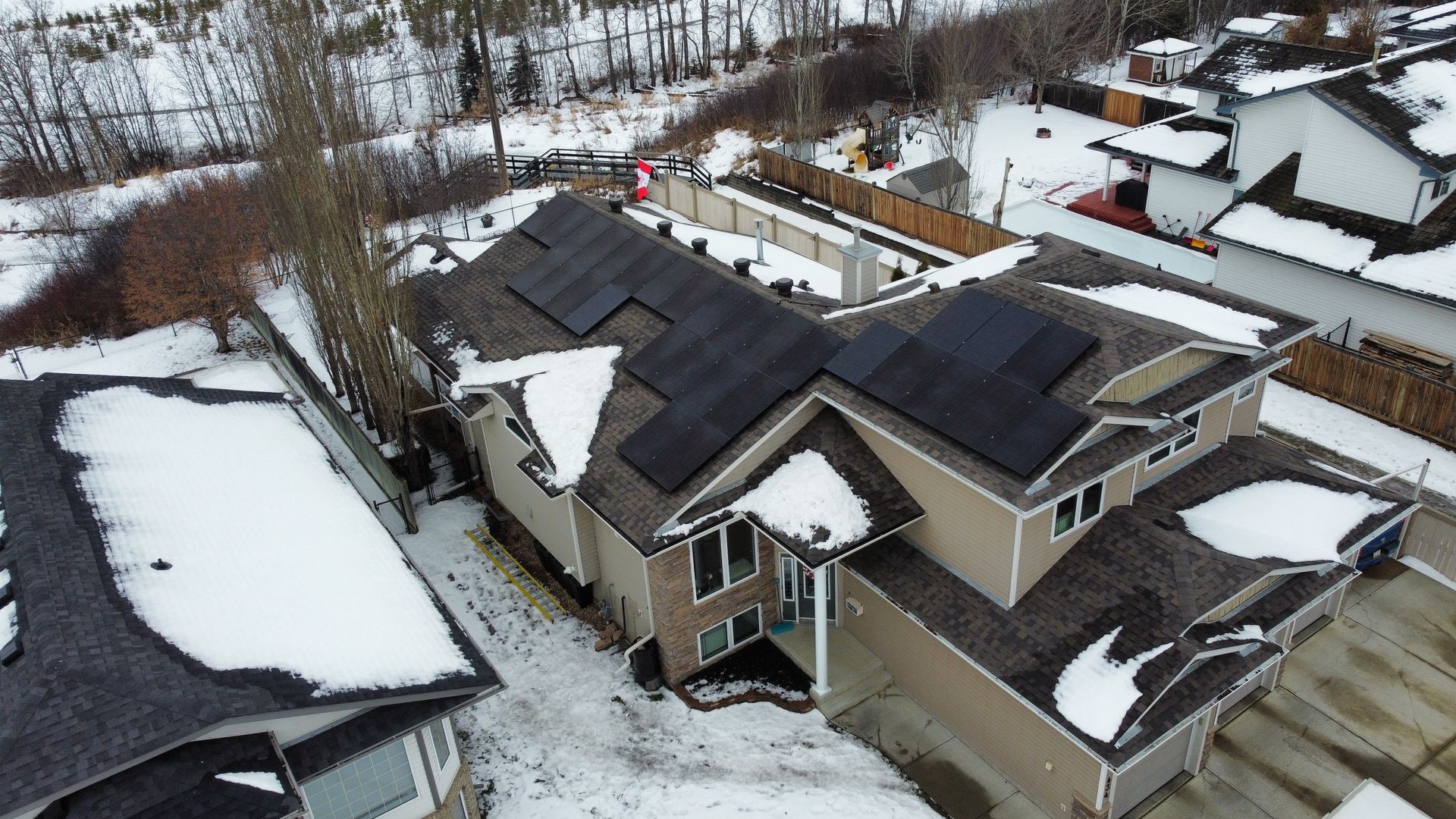
Installed Roof-mounted Solar Panels. Fort Saskatchewan, Alberta, Canada

Where Your Extra Solar Energy Goes

When your solar system produces more electricity than your home is using, that energy is exported to the utility grid. Your bi-directional meter tracks both the electricity you consume and the electricity you send back.

Your retailer then applies credits based on the amount of power exported. These credits typically appear on your monthly bill and roll forward as needed.


Most Alberta homes generate the majority of their solar energy between April and September, when days are longer and sunnier. Those accumulated credits naturally help offset higher electricity use in fall and winter. It’s a simple, built-in balancing system that works quietly in the background.

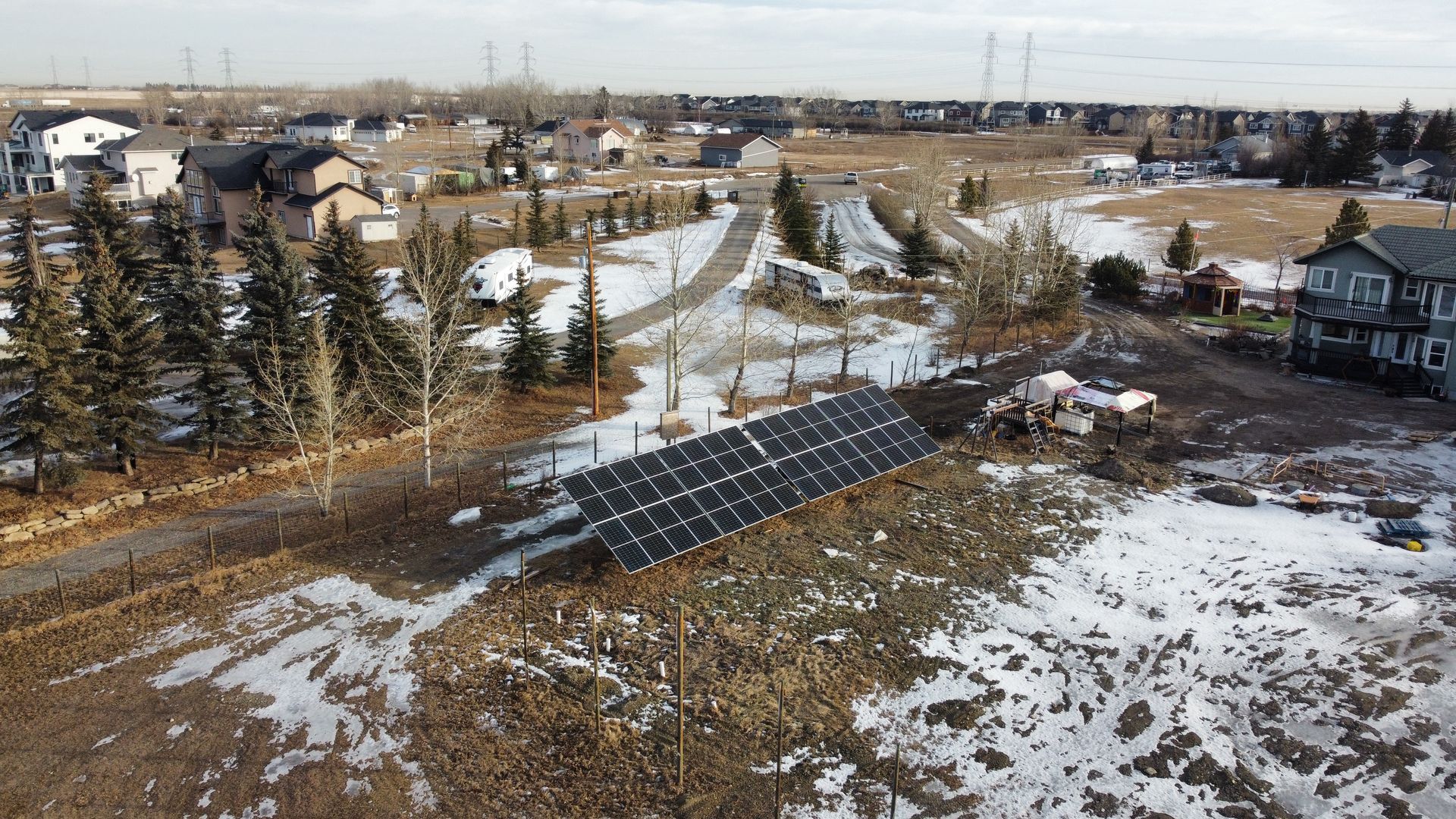
Residential Ground-mounted solar panels. Chestermere, Alberta, Canada.


Common Misconceptions We Hear

It’s normal to have questions about net metering, especially if you’re new to solar. Here are a few common misunderstandings we often help clarify:


“I thought I’d get paid cash every month."
Net metering doesn’t provide direct cash payments. Instead, it offers bill credits that reduce what you owe for electricity.


“If I don’t use my credits right away, they disappear.”
Not necessarily. Credit policies depend on your electricity retailer, and many allow credits to carry over month to month — especially during high-production seasons.


“Net metering means I’m completely off-grid.”
Not at all. Your home remains connected to the grid at all times. Solar simply reduces how much electricity you need to purchase...

How Net Metering Improves your Solar Investment

Net metering plays a major role in improving the overall value of a solar system. With Alberta’s strong solar production and established credit structure, homeowners often experience:

  • Lower average electricity bills over the year
  • Shorter payback periods on their solar investment
  • Greater protection from rising or unpredictable electricity rate

At Evalence, we don’t just focus on how many panels fit on your roof. We design solar systems with net metering in mind — optimizing production, usage, and credit generation to deliver strong long-term results.

Final Thoughts

Net metering may sound technical, but in practice, it’s one of the most homeowner-friendly parts of going solar. It ensures that every kilowatt your system produces has value — whether you use it immediately or later in the year.


For Alberta homeowners, net metering makes solar reliable, transparent, and financially rewarding over the long term.

If you’re curious about how much solar could offset your electricity bill, Evalence can help. We offer personalized assessments based on your home, roof, and energy habits, so you can clearly see how solar — and net metering — would work for you.


Recent Posts

By Moha Tuano December 29, 2025
Switching to solar is one of the best investments Alberta homeowners can make — for their homes, their budgets, and the planet. But once you’ve signed your contract, you might wonder — what happens next? At Evalence Renewables, we believe your solar journey should be simple, transparent, and stress-free. Our professional team manages every step — from design to activation — so you can focus on what matters most: enjoying your home and the energy savings that come with it. Here’s a detailed look at what to expect during your solar installation process:
By Moha Tuano December 29, 2025
Electric vehicle adoption is accelerating across Alberta, and businesses are increasingly recognizing the value of offering EV charging on-site. From supporting employee commuting to attracting customers and preparing for electric fleets, charging infrastructure is quickly becoming a practical business asset — not just a sustainability feature. Whether your organization is motivated by environmental goals, customer convenience, or future-proofing your operations, installing EV chargers requires thoughtful planning. Commercial charging is significantly different from residential installations, and making the right decisions upfront can substantially reduce costs and operational challenges down the road. At Evalence, we work with Alberta businesses to design and install EV charging systems that are safe, efficient, and built to grow with demand. Here’s what organizations should understand before getting started.
By Moha Tuano December 29, 2025
Alberta winters are tough — and anyone who’s lived through them knows how quickly mild temperatures can turn into deep freeze. For electric vehicle (EV) drivers, winter often brings new questions and a few adjustments. You might notice your driving range shrinking, charging sessions taking longer, or your vehicle using more energy just to stay warm. If this is your first winter with an EV, those changes can feel unexpected. At Evalence, we install EV chargers for homes and businesses across Alberta, from city centres to smaller rural communities. Every winter, we hear the same question from EV owners: “Will my EV still charge properly when it’s cold?” The short answer is yes . EVs are built to operate in cold climates like ours. That said, batteries respond differently to low temperatures and understanding what’s happening — and how to charge smarter — can make winter driving far more predictable. With the right charging setup, especially a reliable Level 2 charger, and a few simple habits, Alberta’s cold weather doesn’t have to stand in the way of EV ownership — even when temperatures dip well below –30°C.