
Edmonton’s Multi-Family Solar Rebate Program: What You Need to Know

Moha Tuano • December 2, 2025

Share this article

Introduction

Even though the City of Edmonton’s Multi-Family Solar Rebate Program is now closed, many property owners are still asking what it offered, how it worked, and what to prepare for when similar programs return. Here’s a quick overview to help you understand the program’s structure, eligibility, and process — and how to get ready for future opportunities.

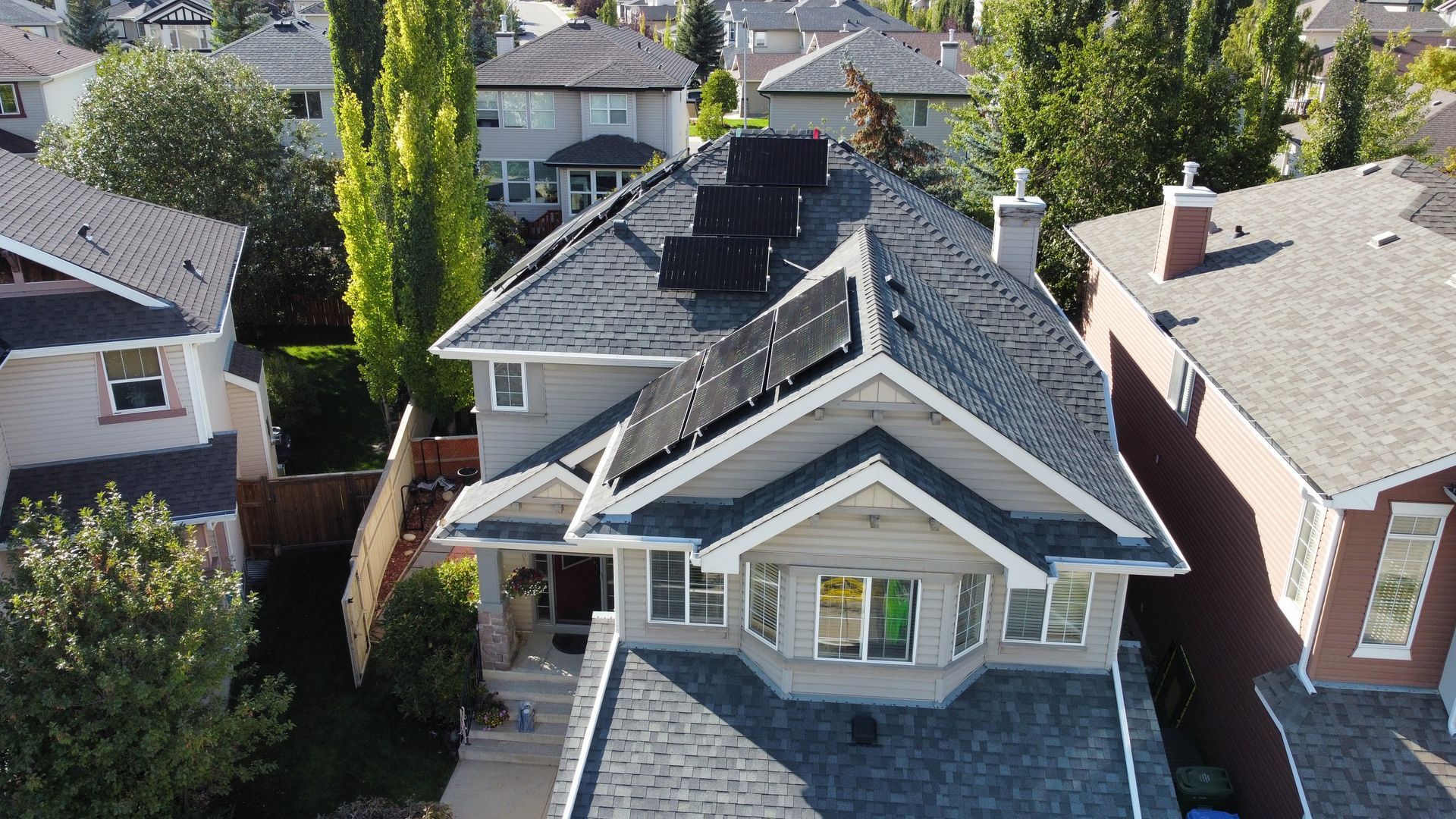
Aerial view of a multi-residential house with solar panels on the roof in a sunny day.

Multi-Residential (8-Plex) Unit in Edmonton, Alberta

What is the Program?

The Change Homes for Climate – Multi-Family Solar Rebate Program was an incentive initiative launched by the City of Edmonton to encourage owners of multi-unit residential buildings to invest in solar photovoltaic (PV) systems.

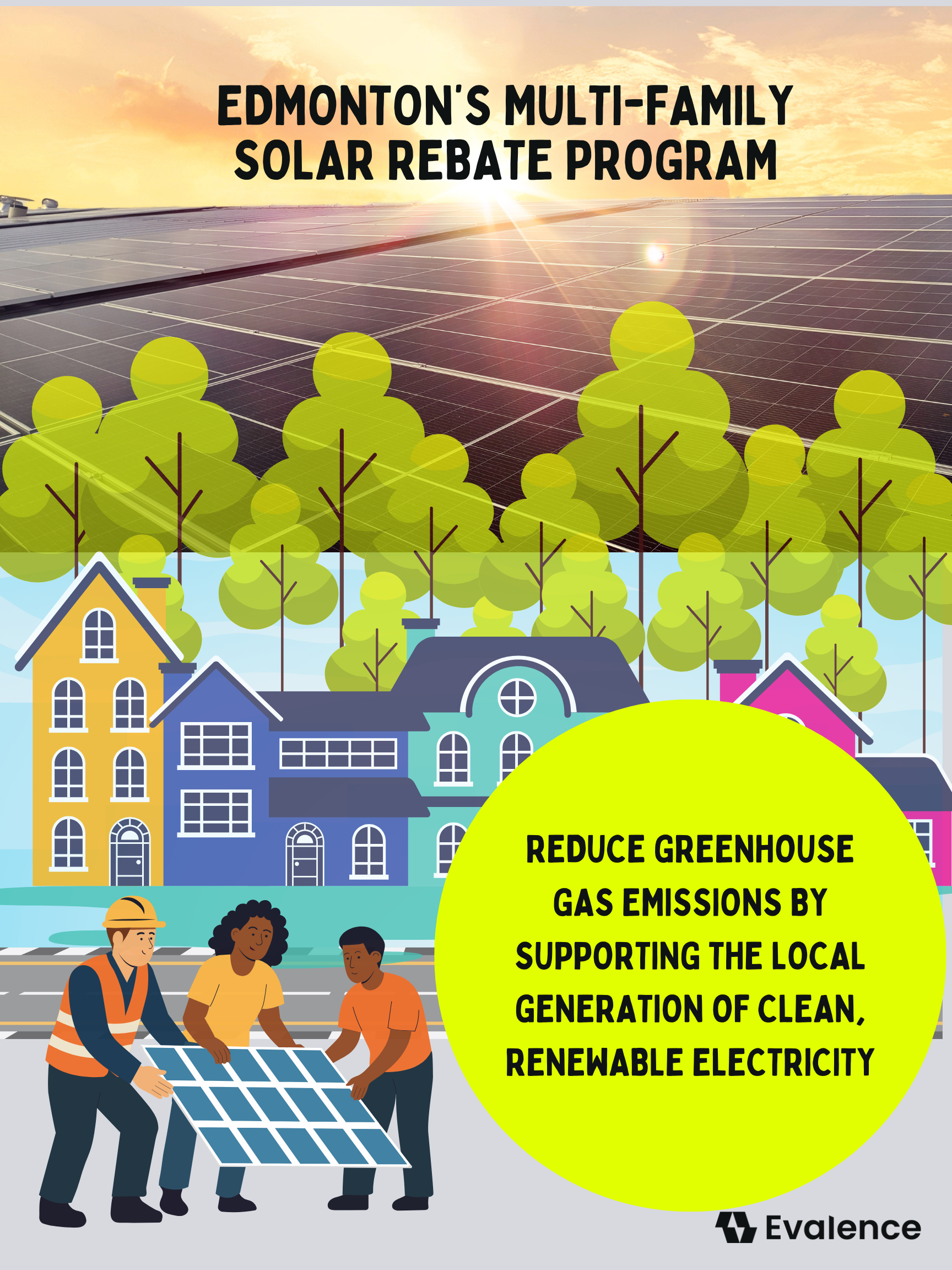
The goal was simple but impactful, it’s to help reduce greenhouse gas emissions by supporting the local generation of clean, renewable electricity.

GHG Emissions Reduction goals. Renewable electricity. Clean energy goal by local government.

Clean Energy Goals of City of Edmonton

This program specifically targeted multi-family residential properties with 4 units and more (such as fourplex, townhouse complex, apartments) which are often overlooked in residential solar programs that focus on single-family homes.

How to apply?

The Edmonton Multi-Family Solar Rebate Program used a two-stage application process to ensure that projects met all eligibility and technical requirements before funding was issued.


Here’s a detailed breakdown of each stage:

Part I – Pre-Approval

The first step was to secure conditional approval and reserve rebate funds for the project.

To begin, the applicant (either the property owner or their chosen solar contractor) submitted a Part I application that included:


  • System design and layout drawings.
  • Preliminary cost estimates or signed quote from a qualified solar provider.
  • Electrical single-line diagram.
  • Proof of property ownership or authorization to apply.
  • Details about the number of dwelling units and total system capacity (in watts).


Once submitted, applications were reviewed by the City of Edmonton to verify eligibility and technical compliance.


If approved, the applicant received a conditional rebate reservation, meaning funds were held for that project for a limited time. This pre-approval ensured that applicants could confidently proceed with permitting, installation, and electrical inspections without losing their rebate allocation.

Part II – Completion & Final Approval

After receiving pre-approval, applicants could proceed with installing the solar PV system. Once installation was complete, the Part II application was submitted to finalize the rebate claim.


This second step included submitting:


  • Photos of the installed solar panels and inverters.
  • Final invoices and proof of payment.
  • Electrical inspection report and permit number.
  • Commissioning report or monitoring verification to confirm that the system was operational.


The City then reviewed the documents to confirm that the system matched the approved design and met all code and performance requirements.


Once approved, the rebate payment was issued directly to the property owner or designated payee.

How much funding is available?

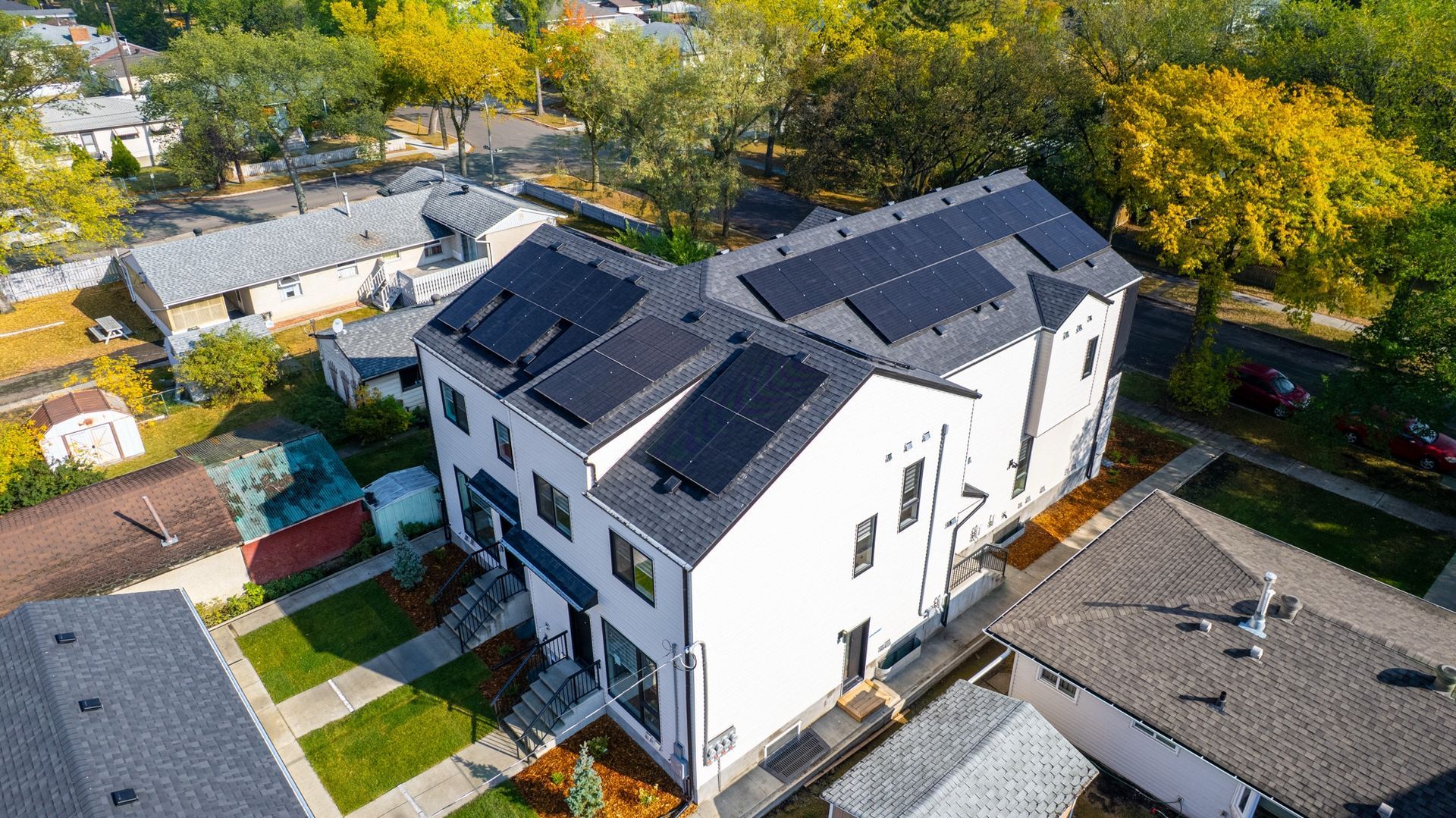
Two-story house with gray roof and solar panels, surrounded by some trees with and without leaves.

Solar Panels installed in Edmonton, Alberta

Funding for the Edmonton Multi-Family Solar Rebate Program was provided on a first-come, first-served basis until the total program budget was fully allocated.


To date, 87.0% of the program’s rebate budget has been committed to Part I applications — showing strong interest and participation from property owners across the city.


The total rebate budget was up to $2,300,000, supporting the installation of solar systems on 3,450 residential units within participating multi-family properties. (Source: Change Homes for Climate – City of Edmonton)


The rebate amount under the Edmonton Multi-Family Solar Program was determined using the following formula:


Rebate Amount = (System Size in Watts) × (Rebate Rate per Watt)

*Rebate Rate per Watt = $0.50/watt


With limits applied:

  • Maximum of $4,000 per dwelling unit, and
  • A total cap of $100,000 per property owner per calendar year.

Example: Jane Doe’s Solar Installation

Jane Doe owns a multi-family building in Edmonton and installs a 40-kW (40,000-Watt) solar PV system.


The program offered a rebate of $0.50 per watt installed.


Rebate Amount = 40,000 W × $0.50/W

Rebate Amount = $20,000


If Jane’s property has 10 dwelling units, the per-unit rebate limit would be:


10 units × $4,000/dwelling units = $40,000


Since the calculated rebate ($20,000) is less than the per-unit and total annual caps, Jane qualifies for the full $20,000 rebate.


Applications were submitted online through the City of Edmonton’s program portal, and projects had to be installed and finalized by November 3, 2025.

What Is Required to Apply?

To qualify for the Edmonton Multi-Family Solar Rebate Program, applicants had to meet a few key requirements related to property type, ownership, and installation standards.


Eligibility Criteria:

  • The property must be located within City of Edmonton boundaries.
  • The building must be a multi-family residential property with four or more dwelling units (e.g., fourplexes, townhouses, or apartment complexes).
  • The property owner, condominium board, or authorized representative must authorize the application.
  • The solar PV system must be:
  • Newly installed and grid-tied (connected to the local utility).
  • Designed and installed by a qualified solar contractor that meets Alberta electrical safety standards.
  • Sized appropriately to meet on-site electricity needs (oversized systems intended for resale of power were not eligible).


Other important conditions:

  • The system must comply with CSA, UL, and Alberta electrical codes.
  • The property owner must remain the owner during the application and installation process.
  • Projects must not receive overlapping funding from other municipal solar programs for the same installation.


Meeting these requirements ensured that projects were safe, technically sound, and aligned with the City’s sustainability goals.

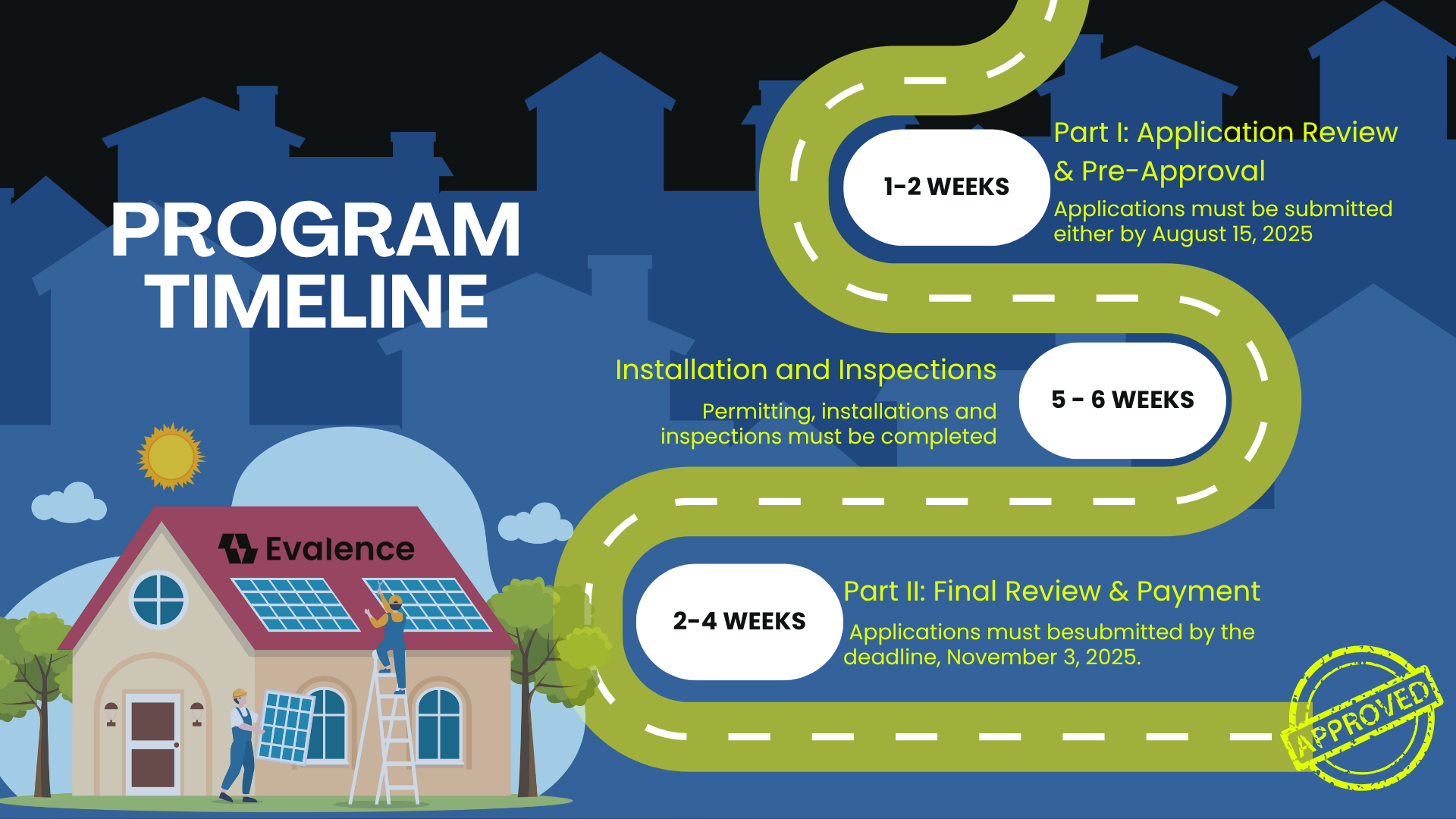
How quick is it to go through the program?

While timelines varied depending on project size and permitting schedules, the average timeline looked like this:

Program timeline. Multi-family solar rebate program.

Program Timeline for Multi-family Solar Rebate Program

In most cases, the full process — from application to rebate payment — could be completed within three to four months with timely submissions and approvals.

Looking Ahead

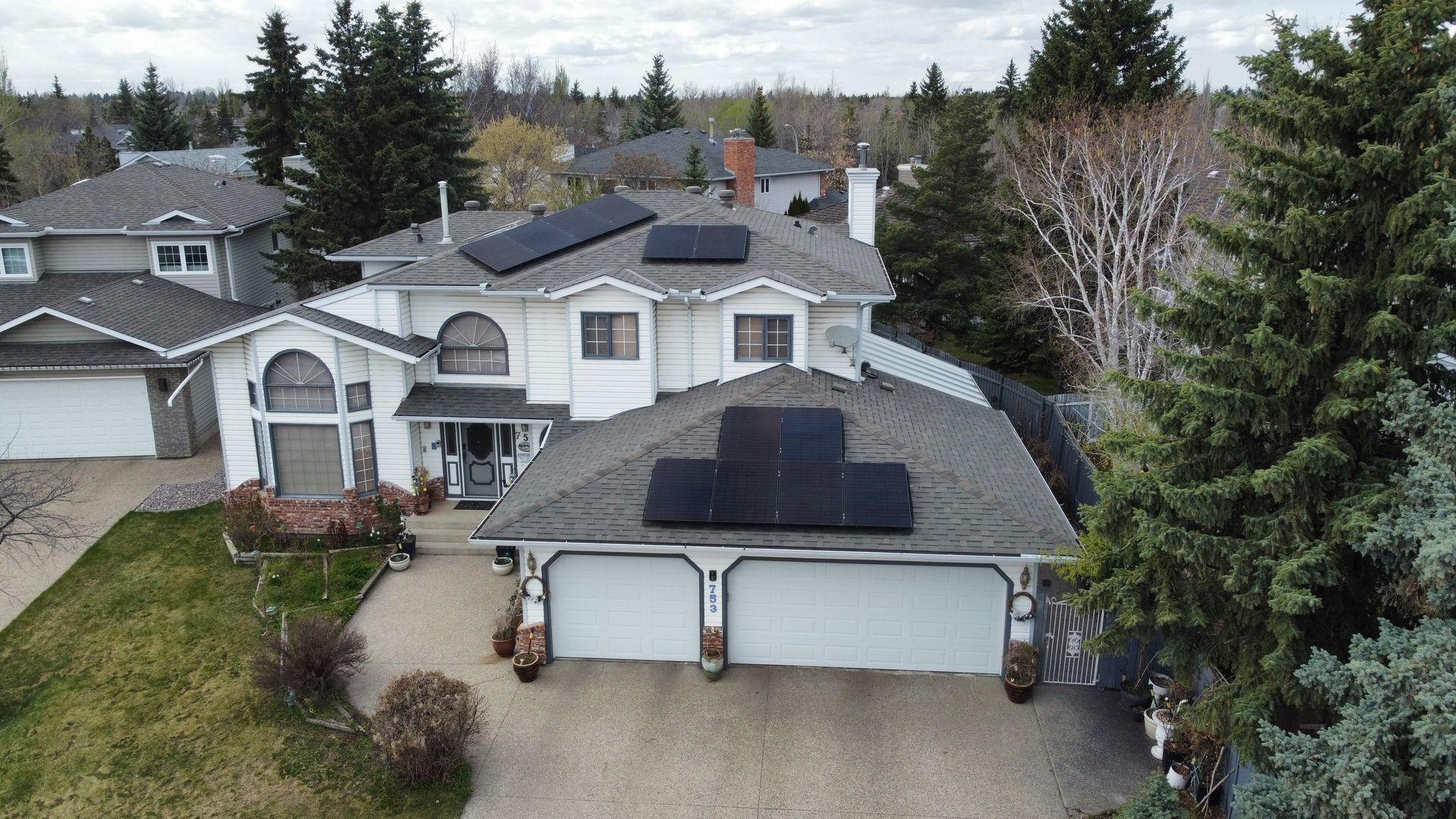
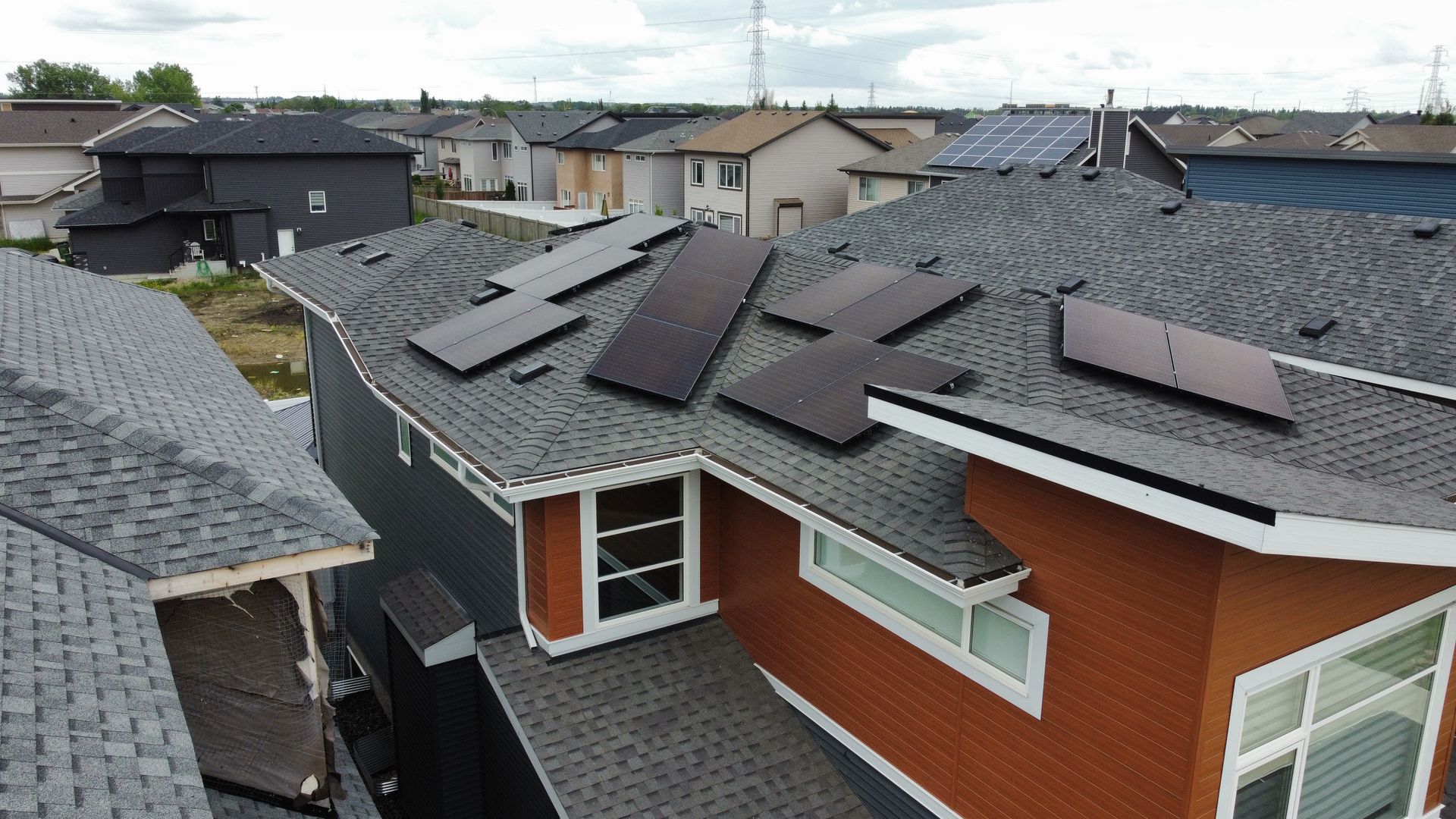
Rooftop solar panels on the roof of orange and grey house. Grey shingles, dark panels. afternoon scene.

Solar Panels installed in Edmonton, Alberta

Yes, the rebate program has closed, however Evalence can help you stay ahead. Our team provides custom multi-family solar quotes, including system design, cost estimates, and return-on-investment analysis — so you’re ready when the next funding opportunity opens.


We also offer:

  • Installation for multi-family buildings
  • System repairs, maintenance, and upgrades
  • Guidance on future rebate programs or incentives

Whether you manage a townhouse, condo, or apartment building, our team ensures your solar system is efficient, safe, and ready for future funding opportunities.

Recent Posts

By Tyler Sieben December 2, 2025
A solar inspection is a comprehensive evaluation of a system’s components, installation quality, and real-world performance. Through this process, inspectors can identify issues early, prevent unnecessary losses, and protect the overall longevity of the system.
By Moha Tuano December 2, 2025
The right size solar system depends on your household’s electricity use, the layout and shading of your roof, your budget, and the rules set out in Alberta’s micro-generation regulation. Let's dive into how it all works!
By Moha Tuano December 2, 2025
For systems powered by APsystems microinverters, the EMA (Energy Monitoring and Analysis) app provides detailed insights into how much power your panels are producing, and how much energy you’re saving.